NACID has developed several ponds and drilled deep water wells in its project area where time has come for attracting investment and private development, creating an atmosphere for negotiation and appreciation for local resource mobilization. In NACID’s some income generating activities such as cattle fattening, the availability of water wells and electric power have drawn the attention of business promoters. Such possibilities have enabled our management to advocate on behalf of the community, environment and sustainable development and the sharing of resources on equal terms.
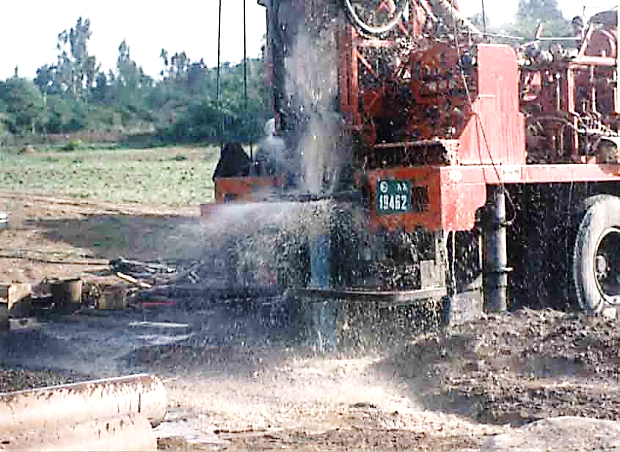
In 2005, deep water well was drilled in Mojo Lume Woreda, Dildima, located in the East Shewa zone of the Oromia Region. This initiative was part of a broader effort to improve water supply, sanitation, and hygiene in the region. The well was one of several projects undertaken by the Nazareth Children’s Center and Integrated Development (NACID). The deep water well in Mojo Lume Woreda was crucial in providing a reliable source of clean water to the local community, addressing water scarcity issues, and improving overall public health. This project, along with other similar initiatives, aimed to enhance the quality of life for residents by ensuring access to safe drinking water and promoting better hygiene practices
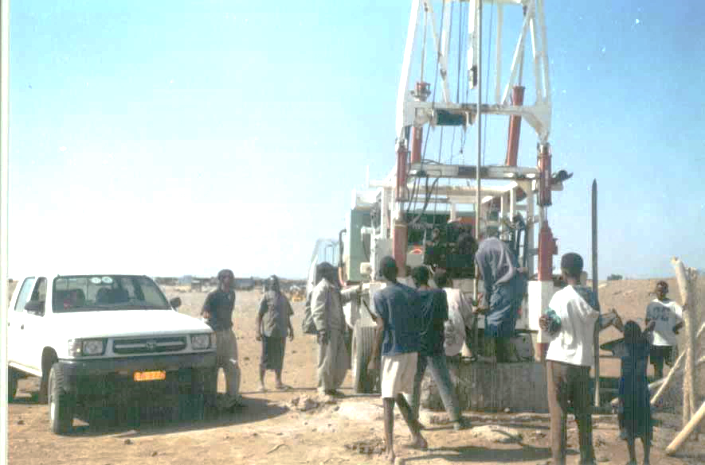
In 2005, a shallow well was drilled in Adama city, located in the East Shewa zone of the Oromia Region, near the Awash River. This project was part of the Water Supply, Sanitation, and Hygiene (WASH) initiative led by the NACID. The goal was to provide a reliable source of clean water to the local community, addressing water scarcity and improving public health. The shallow well in Adama city was crucial in ensuring access to safe drinking water for the residents. This initiative, along with other similar projects, aimed to enhance the quality of life by promoting better hygiene practices and reducing the prevalence of waterborne diseases
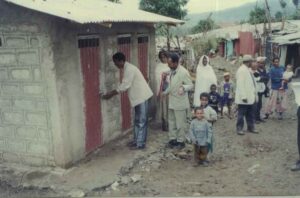
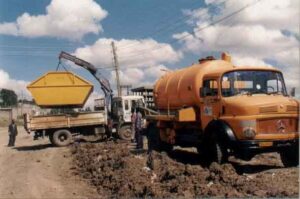
Communal VIP Latrine and Disludging and Garbage Bin in Adama, Addis Ababa, Minjar, Afar, Tigray
As part of NACID’s intervention efforts, rainwater harvesting was a key focus area in the Tigray region. With financial support from our partners, including CORDAID from the Netherlands, we embarked on the construction of a large groundwater cistern in 2004. Upon completion in 2005, the cistern was handed over to benefit community partners and district-level government administrative agencies, which assist in monitoring, managing, and ensuring the sustainability of the project.
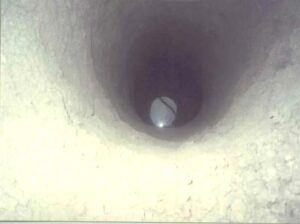
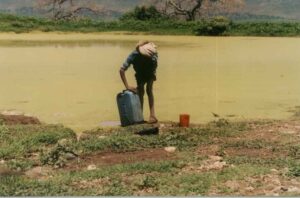
The Emergency Water Supply and Sanitation Project were implemented in the Erob and Gulo-Makeda woredas, located along the Ethio-Eritrea border. This area has been a conflict zone, monitored by the United Nations Mission for Ethiopia and Eritrea (UNMEE). Peace, reconciliation, rehabilitation, and reconstruction are advocated by peace-loving communities, and NACID shares this noble effort, striving toward future development. After the war, there was an urgent need for water supply and sanitation for the returnees. NACID responded to the request and, in agreement with the local administration, implemented emergency water supply and sanitation interventions. The construction of water cisterns, hand-dug wells, VIP latrines, and water distribution points in the war-torn border towns of Zalambesa and Dohan has alleviated water shortages. The first result of the program was construction of a 17 x 17 x 4.5 meter cistern, two water distribution points, and the fitting of a 50-meter-long pipe, benefiting 5,000 people.


Hand-dug Well and Ellas Drilled in Afar, Tigray Regions
In the Afar region, the Emergency Water Supply, Environmental and Water Sanitation Programme have been implemented in collaboration with UNICEF. The major activities of the programme include the construction and rehabilitation of hand-dug wells, the elevation of water tanks along with water tankering services, and the construction of VIP latrines and waste disposal pits. As per the agreement made with the respective regional government bureaus and UNICEF, the following activities have been accomplished:
Construction of 4 hand-dug wells in Afambo
Rehabilitation of 3 hand-dug wells in Elidar
Elevation of 2 steel water tanks with a capacity of more than 20,000 liters in Bure and Manda kebeles, with water distribution pipes linked to the tanks
Construction of roads to reach the water tanks
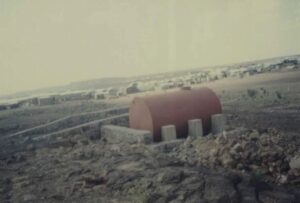
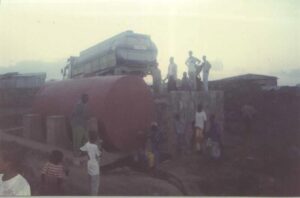
The accomplishment has saved many women and children from traveling long distances to fetch water, benefiting their animals as well. NACID, in its small capacity, advised partners and donors while organizing and coordinating strategic plans for emergency water supply trucks, containers like water bladders, emergency supplies, and animal feed. NACID purchased a used water tanker truck for standby water trucking in its 11 district operation areas of Afar regional state, distributing 12 million liters of clean water to Bure, Manda, Elidar, and Afambo districts, saving many cattle.